How to Order at a Restaurant When You Don't Speak the Language
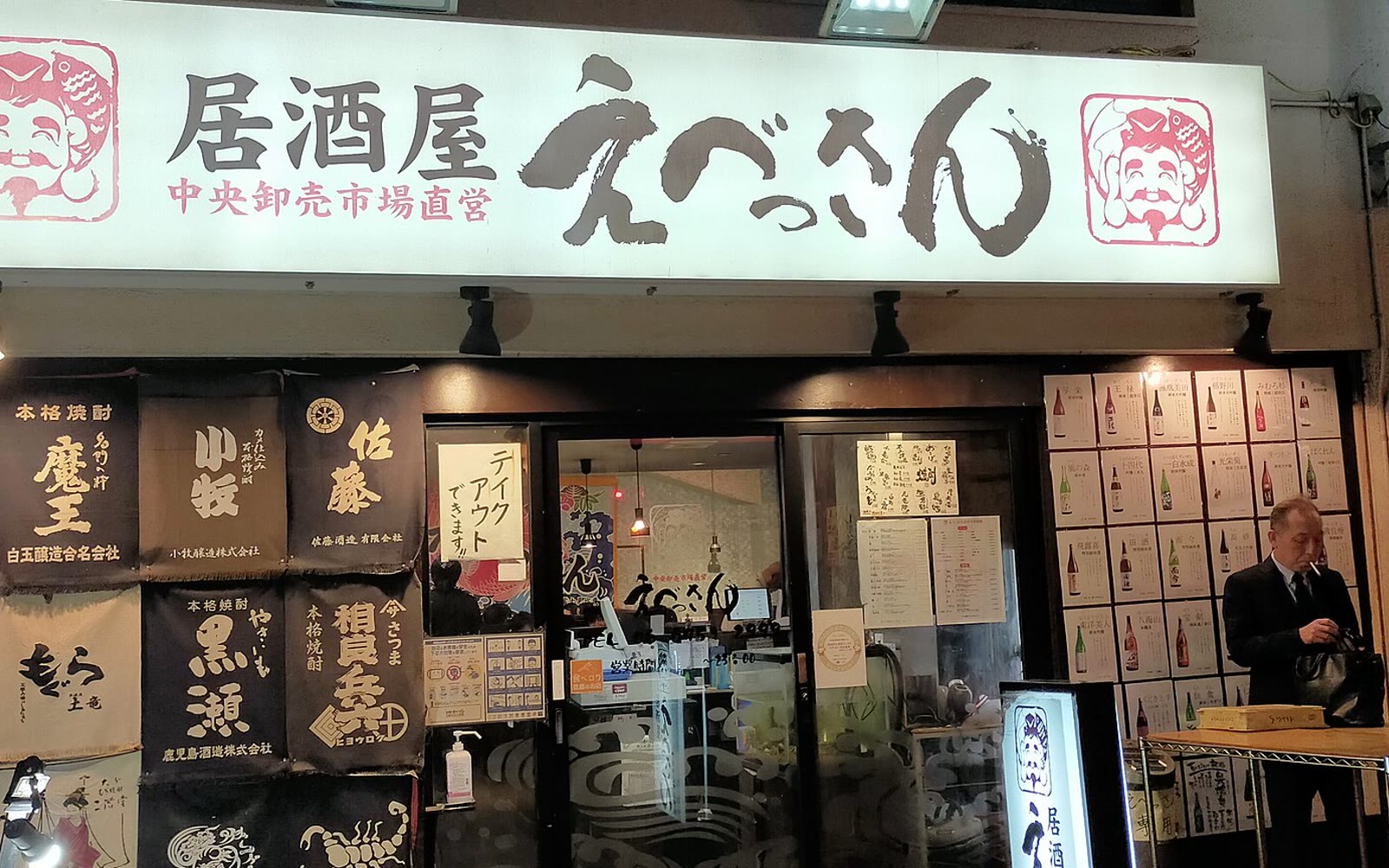
The menu is in a script you can't read. The waiter speaks none of your languages. You need far fewer words than you think. What you need is a clear way to point.
- Learn five words: please, this one, one more, not spicy, the bill. They're all on our phrase card.
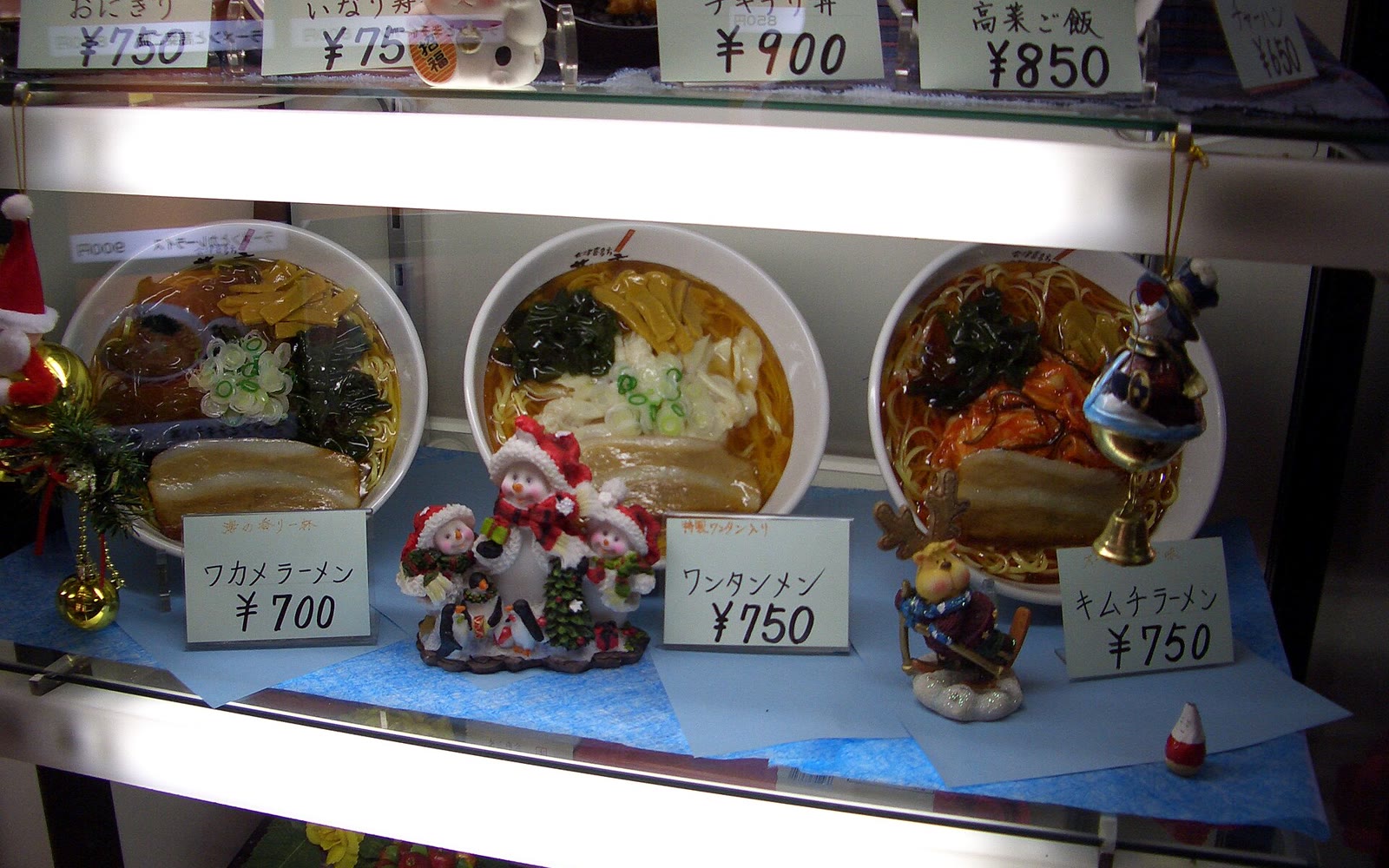
- Order by the dish name printed on the menu, not a translation.
- For a group, write one list and show it.
- Use a translation app to choose, not to talk through the whole order.

What works, and what doesn't
| Method | Good for | Goes wrong when |
|---|---|---|
| Pointing at the menu | One or two people | Long menus, tiny print |
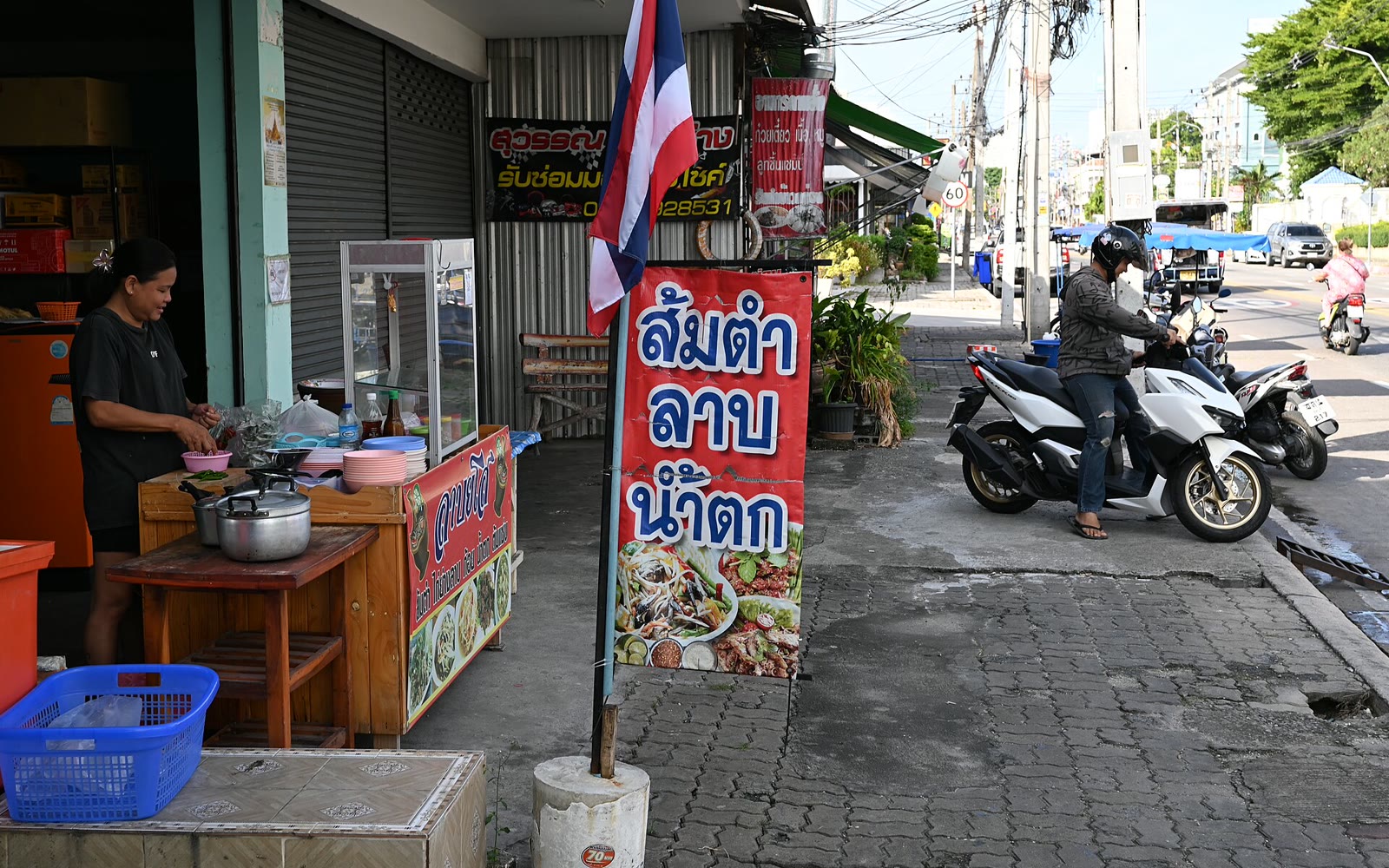
| Pointing at other tables | No readable menu | You don't know the name or price |
| Saying the name | Short names you've practised | Tonal languages like Vietnamese |
| Talking through an app | One question | Loud rooms, long orders |
| Showing a written list | Groups and counts | You need two minutes to make it |
Use their words, not yours
You translate the menu and ask for "morning glory with garlic". The waiter has no idea. On their menu it says rau muống xào tỏi. Translations are for choosing. The kitchen knows the dish by the name it printed.
Tip: copy names exactly, accent marks and all. Or snap them, which is faster.
Make the list before the waiter comes
- Pick your dishes, with a translation app if you need it.
- Write each one in the menu's own words, with how many.
- Show the waiter. They'll point back at any line they have a question about.

Allergies need exact words
Don't rely on pointing for anything that could make you ill. Get the exact words checked by a native speaker before you travel, and show them every time.
Where Awder fits
Awder reads dish names on printed menus in nine languages, including Vietnamese, Chinese, Japanese, Korean and Thai. Tap a name and it goes on your order with a photo. Then show the waiter one numbered list in their own language. It doesn't translate, and it doesn't need to.
Questions people ask
Is it rude to point at the menu?
Almost never. At busy places, waiters often prefer it.
What if there are no pictures?
Point at what other tables are eating, or show the dish name written down.
How do I ask for the bill without words?
Catch the waiter's eye and mime writing on your palm.
Keep reading
Guides
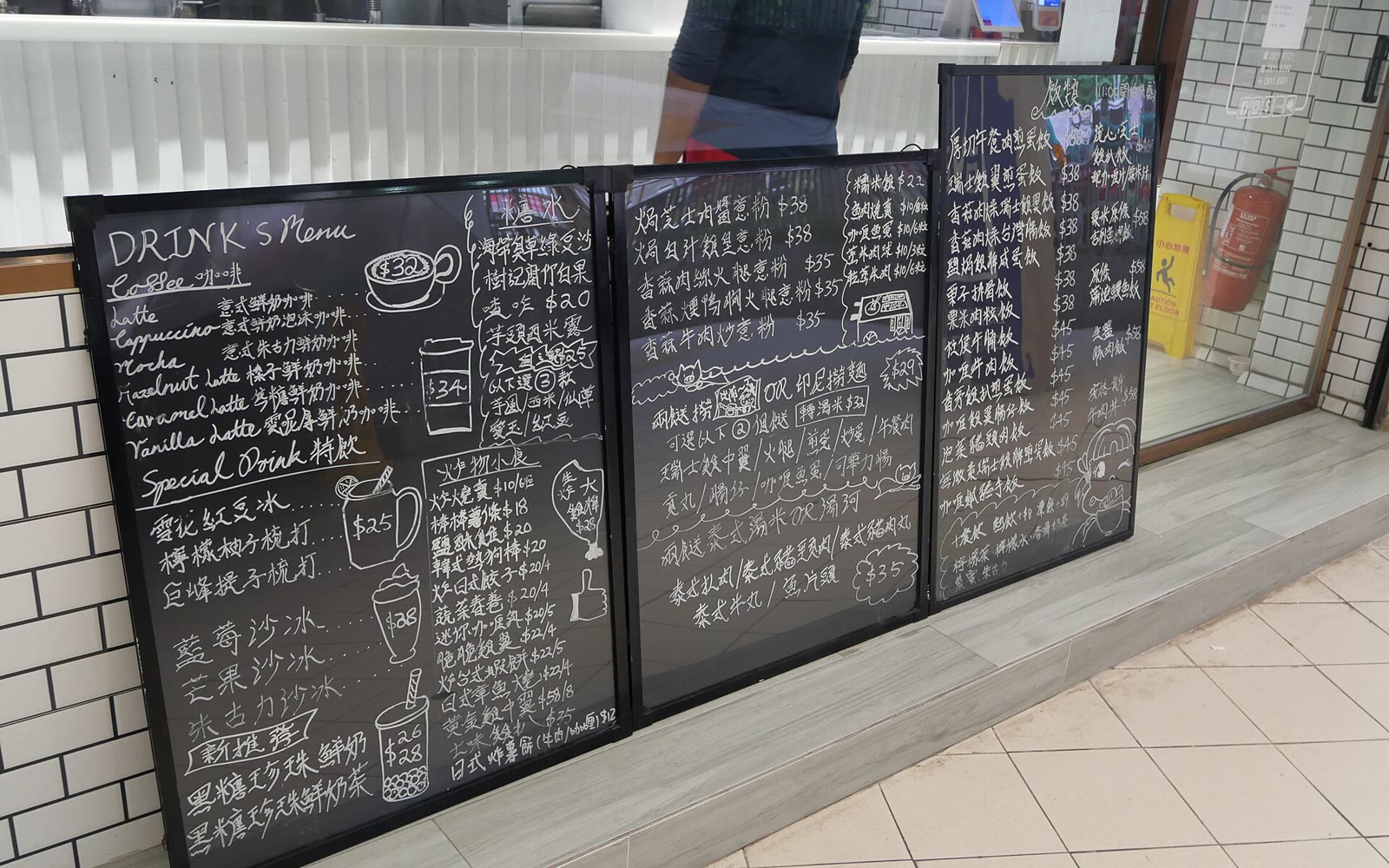
How to Order in Vietnam Without Speaking Vietnamese
Calling "em ơi", menus on the wall, the wet towels that cost extra and how to pay. How local places work, and how to get the dish you meant.
Comparisons
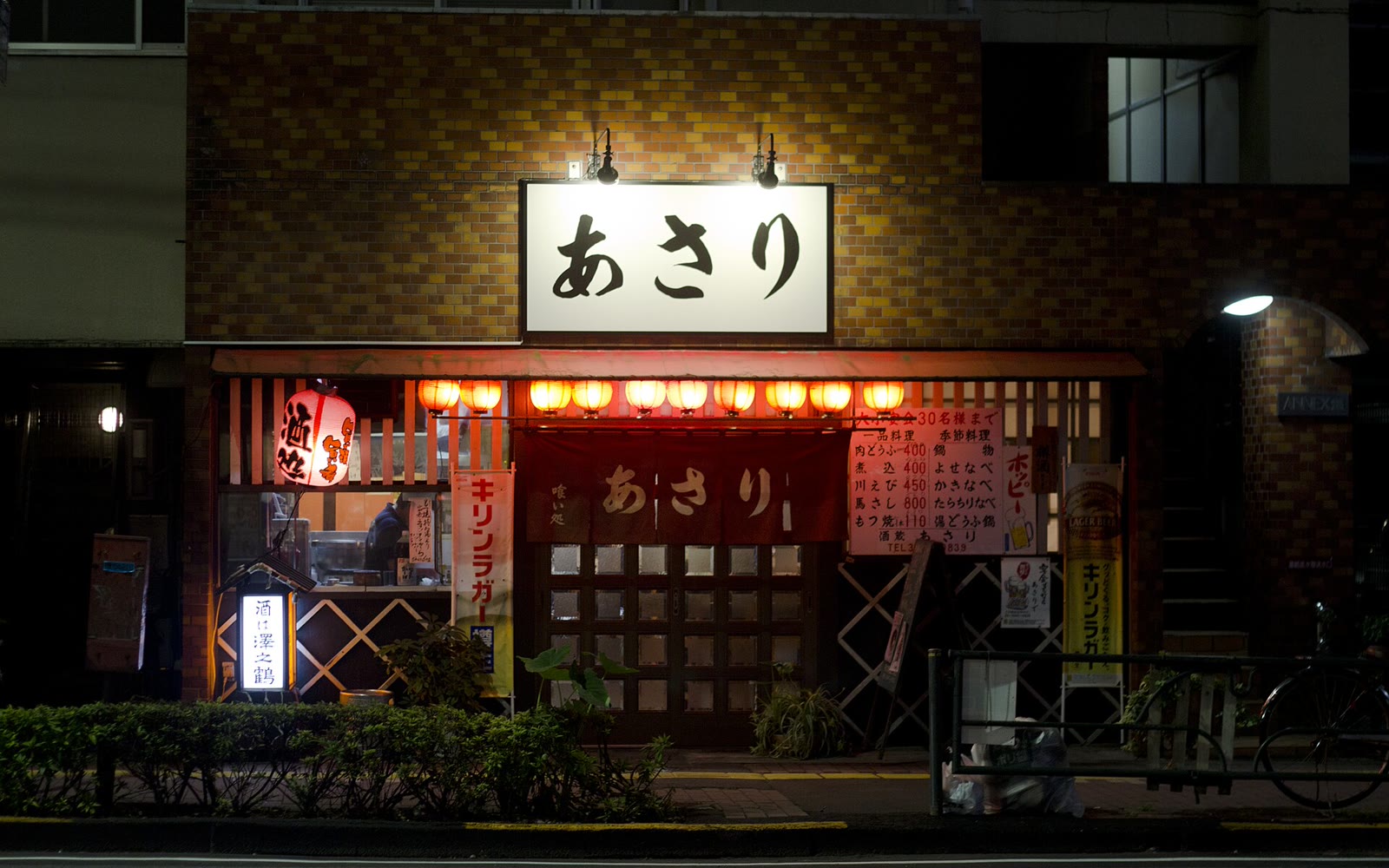
Awder vs Google Translate for Ordering at a Restaurant
Translation tells you what a dish is. An order tells the waiter what you want. When to use each, and why most people need both.
Resources
Ordering Phrases in 9 Languages (Free Printable)
"This one, please", "one more", "not spicy" and "the bill" in every language Awder reads. A card to print or keep on your phone.
Guides
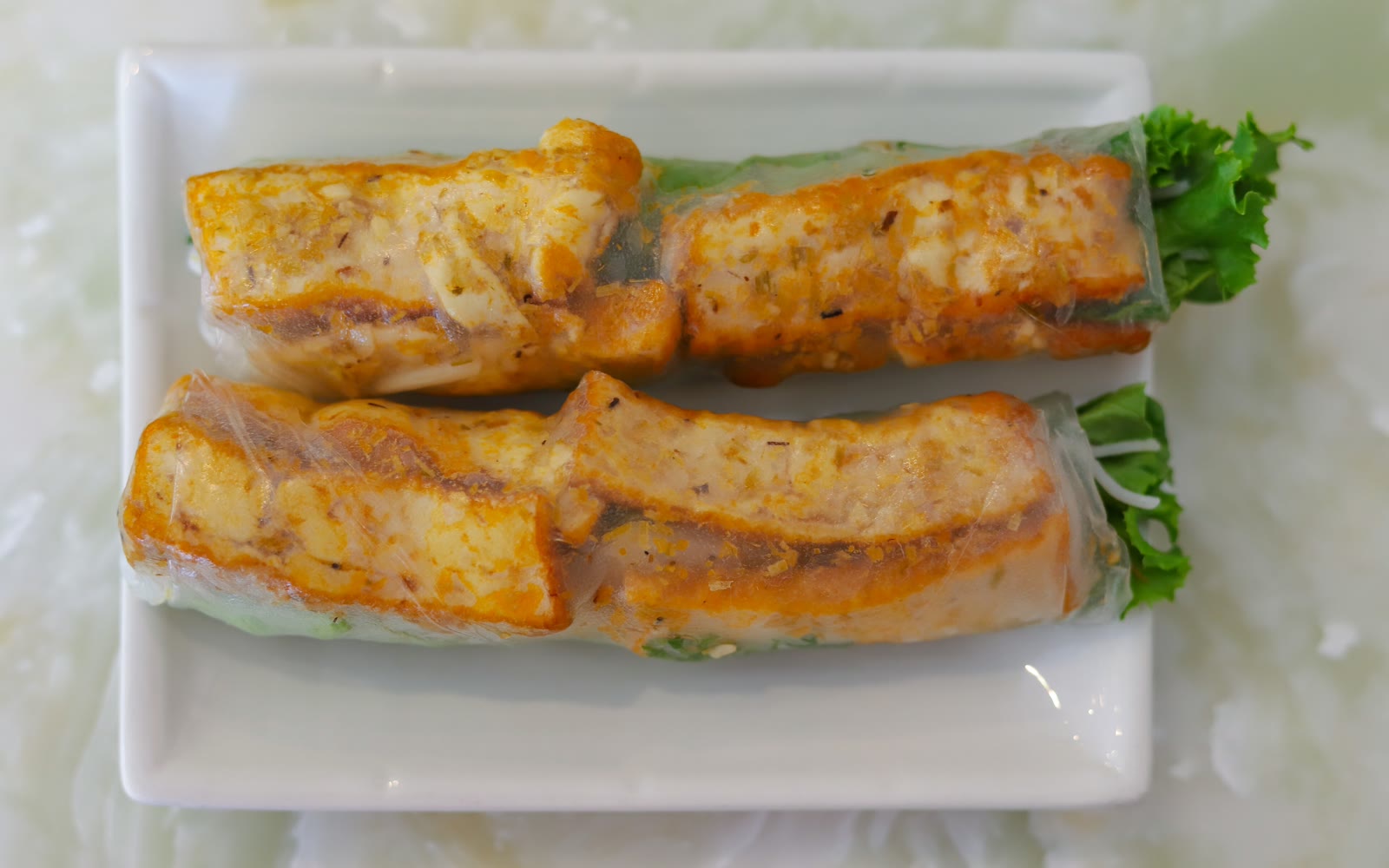
Vegetarian or Allergic in Vietnam: How to Order Safely
Chay means vegetarian, but fish sauce goes in almost everything. The words to ask for, the dishes to look for, and how to show an allergy clearly.